How to Read Dog Body Language: A Guide to Preventing Bites
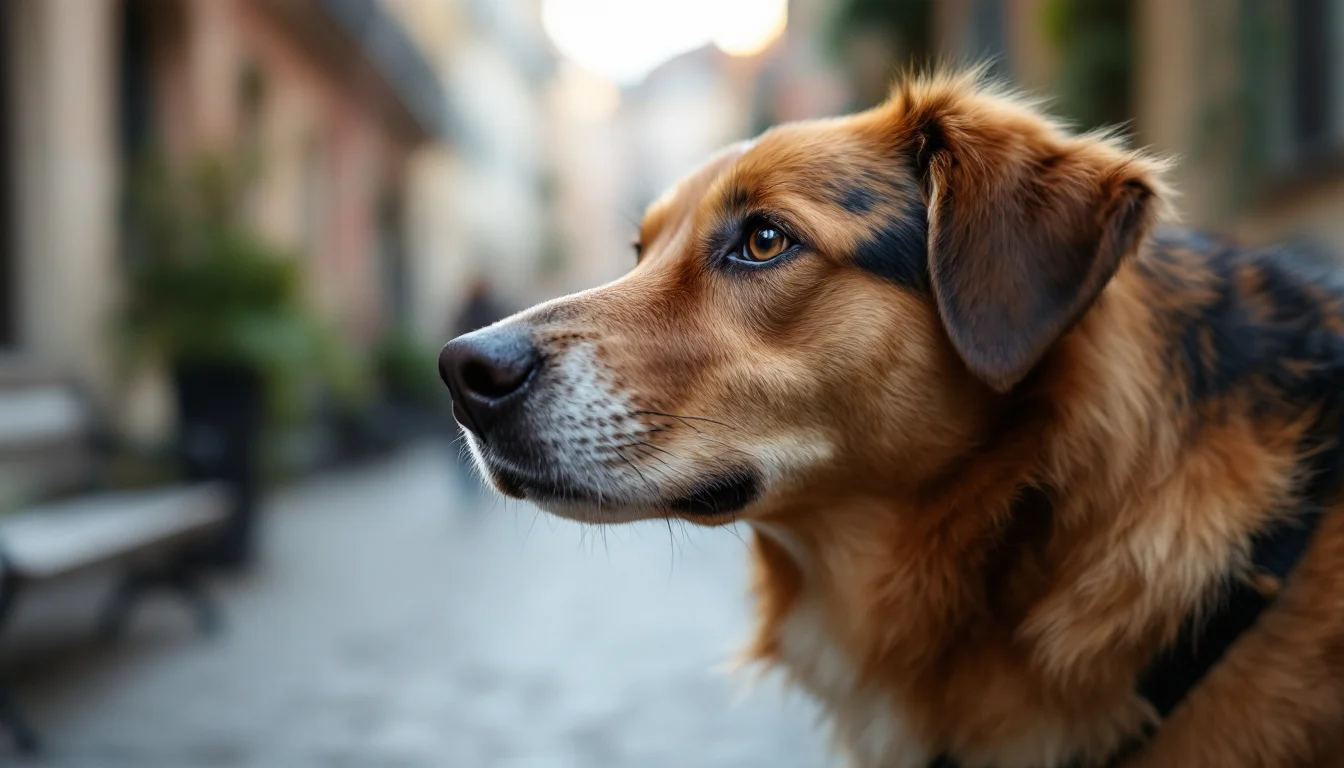
A wagging tail is often interpreted as an open invitation for interaction, yet relying on this single visual cue is a common prelude to a preventable bite. Lacking spoken words, dogs must rely on a bark, a tail wag, or sometimes a snarl to communicate with their human companions, according to a 2025 guide from Texas A&M University's College of Veterinary Medicine and Biomedical Sciences, Understanding Your Dog's Body Language: A Guide to Canine Communication. True canine fluency requires shifting away from the myth of automatic friendliness toward recognizing a dynamic sequence of escalating boundaries.
Failing to accurately decode these nonverbal boundaries often puts both humans and animals at risk. This guide focuses on reading the animal holistically to foster trust and ensure safety.
Key Takeaways
- Evaluate the entirety of the animal: A single posture or movement is only one piece of the puzzle.
- Understand the bite escalation sequence: Aggressive actions are rarely random; they tend to follow predictable, subtle warnings.
- Establish behavioral baselines: Breed genetics can strongly influence a dog's natural posture, meaning deviations may be the true indicators of emotional shifts.
The 'Whole Dog' Rule: Why Context Changes Everything
Isolating a single physical feature to determine a dog's mood is inherently flawed. Dog body language must be read as a whole, not by a single signal like tail wagging, and a wagging tail does not always mean a happy dog, according to PetMD's How To Read Your Dog's Body Language. Posture acts as a complete sentence, while individual movements are merely words that can completely change meaning depending on how they are combined.
How Do Breed Genetics Affect a Dog's Baseline Posture?
Before interpreting any physical cue, owners must understand their specific animal's default state. Tail carriage varies significantly by breed, meaning tail position should be compared with the individual dog's natural resting position rather than a generic standard. As detailed in How to Read Dog Body Language by My Pet Tales, Huskies and Beagles carry their tails naturally high, whereas Greyhounds and Whippets have naturally low tails. A low tail on a Beagle may indicate a sharp emotional shift, while a low tail on a Greyhound is simply their anatomical baseline.
How Does Environmental Context Change a Signal's Meaning?
Context changes everything when reading a dog's body language. Factors such as the immediate location, nearby resources, the presence of strangers or children, and whether the dog has an escape route all directly affect the meaning of a signal, as noted in WebVet's Dog Body Language.
When a dog is placed in a highly stimulating environment, they may emit contradictory cues. When a dog's signals conflict—for example, a wagging tail combined with a grimace and a tense body—the guidance provided by the Animal Foundation's How to Read a Dog's Body Language is to accept the most fearful or aggressive signal the dog is showing. In these scenarios, observers should assume that the most dangerous end of the animal is telling the truth.
The Bite Escalation Sequence: Why a Growl is a Gift
A common misconception regarding canine aggression is the idea that a dog "bit out of nowhere." Most dog bites are not random; rather, they are the predictable end of a sequence of warnings that went unread, according to WebVet. This sequence typically begins with subtle displacement behaviors before escalating to more overt warnings.
What Are the Early Warning Signs Before a Dog Bite?
Before an animal resorts to physical defense, it will attempt to diffuse tension or signal discomfort. The initial stages of the sequence often involve subtle movements, such as a lip-lick or a turned head. If the stressor does not retreat, the dog may escalate to a completely frozen body or a hard stare. These progression markers represent escalating signals of discomfort and requests for distance.
One of the most critical warning indicators occurs when movement ceases entirely. A dog that suddenly freezes completely still and rigid is extremely stressed and may bite, requiring immediate space.
Why Is Punishing a Growl Dangerous?
When subtle signs fail, a dog will often vocalize its boundary. Human instinct is frequently to reprimand this behavior, but doing so can substantially increase the risk of a future bite. Punishing a dog for growling can teach it to skip that vital warning step and go straight to snapping. Therefore, a growl should be treated as clear communication of discomfort, and the immediate response should be to remove the stressor. Removing the growl does not remove the anxiety; it only removes the alarm system.
Anthropomorphism Traps: What Humans Get Dangerously Wrong
Projecting human emotions and social constructs onto animal behavior—anthropomorphism—is a primary driver of miscommunication between species. When humans interpret canine stress responses through the lens of human affection, they frequently violate the animal's boundaries. Understanding the true meaning behind physical displays requires dismantling these common traps.
How Do Canine Signals Differ From Human Assumptions?
| Canine Signal | Common Human Assumption | Visual Reality & Tension | True Canine Meaning |
|---|---|---|---|
| Fear Grin | The dog is smiling happily. | Lips pulled back vertically, front teeth showing, body tense, ears pinned, low posture. | Extreme discomfort, fear, and submissive anxiety. |
| Wagging Tail | The dog is automatically friendly. | Movement combined with a stiff body or elevated posture. | High arousal and engagement, potentially unpredictable. |
| Helicopter Wag | The dog is overly hyperactive. | Broad, full-body, fast, wide circles, loose posture. | Pure joy and positive excitement during greetings (context and individual baseline still apply). |
What Are the Most Dangerous Visual Misinterpretations?
One of the most dangerous visual misinterpretations is the fear grin. A fear grin—characterized by lips pulled back vertically showing the front teeth while the rest of the body is tense, ears pinned, and posture low—is commonly misread as a human-style smile. Approaching an animal displaying a fear grin can push them further along the bite escalation sequence.
Similarly, tail movement is frequently misunderstood. A wagging tail signals arousal and engagement, not automatic friendliness, and must always be paired with the rest of the body to be interpreted correctly, as noted by WebVet. Conversely, a broad, full-body "helicopter" wag with fast, wide circles is often associated with joy and is commonly seen during greetings. By replacing human assumptions with factual canine observations, families can reduce the likelihood of accidental provocation.
Decoding the Head: Eyes and Ears as Emotional Radar
The face of a dog provides highly granular data about its internal state. While the body indicates general arousal, the eyes and ears serve as precision indicators for anxiety, fear, and offensive tension. Misreading these facial cues often means missing the final warning before a bite occurs.
What Does a Whale Eye Mean?
When a dog feels overwhelmed but wants to avoid conflict, their facial features reflect defensive avoidance. One of the most reliable indicators of this state is the "whale eye." This occurs when a dog turns its head away but keeps its eyes locked on something, exposing a crescent of white. My Pet Tales notes that this specific look signals stress or anxiety and means the dog is highly uncomfortable.
Alongside the eyes, ear placement offers immediate insight into the dog's comfort level. Pinned ears, flattened back tight against the head, signal fear, anxiety, or submission. This is one of the clearest stress signals a dog can give, indicating a strong desire to retreat from the current situation.
What Does a Hard Stare Indicate?
In contrast to defensive avoidance, offensive tension involves direct, locked focus. Hard eyes—which are intense, rounder, unblinking, with the dog locked onto a target and the whole face tightened—often accompany a threat, resource guarding, or high tension. WebVet notes that this unblinking stare is frequently the calm before a snap. When an animal exhibits hard eyes, it is important for the human to slowly back away and de-escalate the environment.
The 'Traffic Light' Framework: Keeping Children and Dogs Safe
Children are among the most common victims of dog bites, and many of those bites come from dogs the child knows, often the family dog, because children have not yet learned to read the warning signs. To bridge this educational gap, what we will call the "Canine Consent" Traffic Light System provides families with an actionable, visual method to categorize behavior and prevent tragedy.
Green: Safe to Proceed
The Green zone indicates a relaxed animal that is open to engagement.
- Visual Markers: The dog exhibits a loose, fluid posture. Movement is soft, and greetings may feature a broad, full-body helicopter wag.
- Action: Children may interact gently, provided the dog has freely approached them and retains the ability to walk away.
Yellow: Caution and Space Required
The Yellow zone marks the beginning of the bite escalation sequence, signaling discomfort that requires adult intervention.
- Visual Markers: The dog displays subtle displacement behaviors. These include lip-licking, a turned head avoiding direct contact, whale eye, or pinned ears flattened against the skull.
- Action: Children must stop interacting immediately. Adults should assess the environment, remove the trigger (e.g., a loud toy, a crowded space), and allow the animal to retreat.
Red: Stop Immediately
The Red zone indicates imminent danger. The dog is severely stressed and preparing to defend itself.
- Visual Markers: The dog exhibits a completely rigid, frozen body, hard and unblinking eyes locked on a target, a fear grin, or a growl.
- Action: Do not reach for the dog. Slowly back away, give the dog immediate space, and safely isolate the animal until their nervous system settles. Note that sudden changes in a dog's body language or marked facial tension also warrant a veterinary check to rule out pain or illness.
Frequently Asked Questions
Could a sudden change in my dog's body language mean they are sick?
Yes. While posture and facial expressions are primarily emotional indicators, abrupt physical shifts may require medical evaluation. Sudden changes in a dog's body language, or sudden excessive drooling and marked facial tension, can indicate pain or illness rather than an emotional reaction, according to WebVet. In these instances, a veterinarian should be consulted to rule out underlying physiological distress.
What should I do if my dog is wagging their tail but also growling?
If a dog exhibits a wagging tail (high arousal) alongside a growl (a firm warning of discomfort), you should assume the most dangerous signal is telling the truth. In a home setting, this might look like a dog on the sofa wagging its tail as a child approaches while emitting a low growl. The immediate action is to stop the approach, give the animal space, and allow the dog to retreat.
Conclusion
The next horizon in animal companionship moves beyond simply training dogs to understand human commands, focusing instead on humans becoming fluent enough to hear a dog's subtle behavioral whispers. When families actively observe and respect boundaries like a lip-lick or a turned head, the animal rarely needs to escalate to a bite. Ultimately, developing familiarity with canine body language can shift the dynamic from one of rigid control toward a relationship built on bi-directional communication and mutual trust.