Senior Cat Care: The Complete Micro-Observation Checklist for Cats Over 10 in 2026
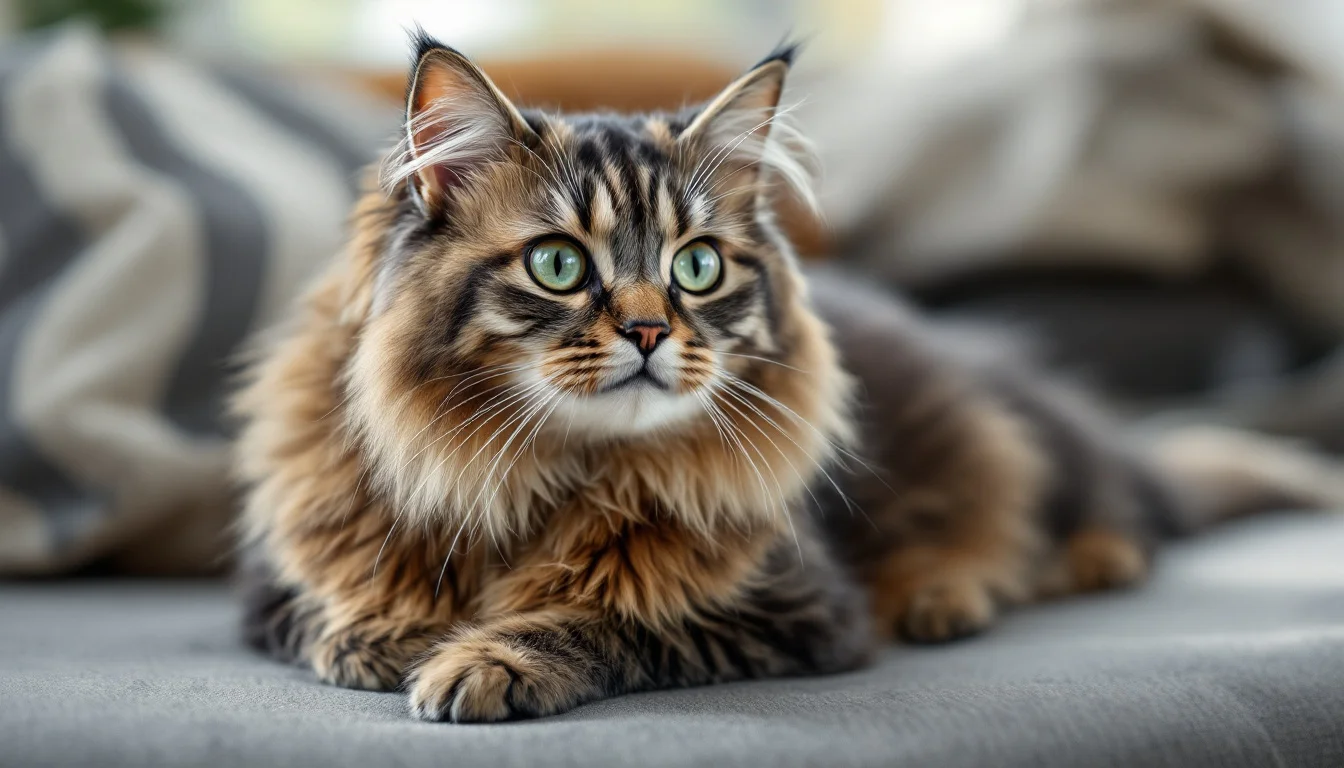
Feline healthcare undergoes a fundamental shift as a pet transitions into its later life stages. According to Fallston Veterinary Clinic, most veterinarians consider cats to be seniors once they reach approximately 10 years of age. At this milestone, the biological and metabolic realities of the feline body begin to alter significantly. A reactive approach to health—waiting for obvious signs of illness before scheduling a clinic visit—becomes increasingly risky.
Cats are biologically hardwired to mask physical vulnerabilities, a survival mechanism that serves them well in the wild but complicates domestic veterinary care. By the time an older cat visibly displays discomfort, a disease process may already be deeply entrenched. Effective management therefore demands a strategic evolution in how owners monitor their pets at home.
Bridging the critical gap between professional examinations requires consistent, methodical data collection by the owner. By implementing a structured home-tracking routine, caregivers can identify subtle behavioral and physical shifts long before they escalate into acute medical crises. This approach transforms the daily interactions with a senior cat into a valuable observational baseline for veterinary teams.
Key Takeaways
- Proactive Health Management: Because feline bodies change significantly in later life stages, owners must shift from reactive care to proactive observation.
- The Six-Month Veterinary Gap: Diseases progress rapidly in older felines; routine professional wellness exams are recommended by many veterinarians every six months to catch early-stage illnesses.
- The Micro-Observation Matrix: Implementing a structured monthly home-tracking system allows owners to record subtle behavioral baselines without attempting to diagnose medical conditions.
- Rejecting the "Old Age" Myth: Behavioral changes and mobility limitations must never be dismissed as normal aging, as they frequently indicate treatable discomfort.
The "Old Age" Trap: Why Home Observation is Your Cat's Best Diagnostic Tool
A common and consequential assumption in senior pet care is expecting a certain degree of slowing down as cats age. However, attributing clinical symptoms to inevitable aging creates a diagnostic blind spot that can severely compromise a pet's quality of life. Fallston Veterinary Clinic notes that behavioral changes in senior cats should never be dismissed as simply "old age."
The Danger of Normalizing Symptoms
When caregivers assume that a decline in activity is normal, they often overlook manageable chronic conditions. For example, joint stiffness and arthritis symptoms in older cats are frequently mistaken for normal aging but may actually indicate highly treatable discomfort. An older cat that stops jumping onto a favorite windowsill is not necessarily lacking energy; they may be avoiding physical pain associated with joint impact. By failing to separate genuine biological aging from pathological decline, owners inadvertently allow painful conditions to progress unmanaged.
How Often Should an Older Cat See the Vet?
To combat this, a triage mindset must be adopted. The primary defense against unnoticed disease progression is increased professional oversight. Because cellular and metabolic diseases can progress quickly between standard annual exams, many veterinarians recommend wellness visits every six months for senior cats. This accelerated schedule acknowledges the pace at which feline bodies can change after the age of 10.
However, a six-month interval still leaves a significant gap where early disease markers can emerge and multiply. The veterinarian relies entirely on the clinical picture presented during a brief exam room visit. If the cat is stressed or masking pain, the physical exam alone may not reveal the full extent of a developing issue. This underscores the necessity of continuous, objective home tracking. The owner's role shifts from a passive caretaker to a vital data collector, tasked with supplying the veterinary team with accurate, longitudinal behavioral observations.
The Monthly Micro-Observation Matrix: Tracking Subtle Clues
To effectively track a senior cat's health, owners need what we will call a Micro-Observation Matrix. The Pet Care Reminder App outlines that a monthly senior cat routine is specifically an observation routine, not a home examination or a way to diagnose illness. Its exact purpose is to make gradual changes easier to see and easier to describe to the veterinary team.
Core Observation Categories
The categories below are our proposed tracking structure, not a diagnostic protocol, designed to ensure no biological system is overlooked. The comprehensive observation routine covers several distinct areas of the cat's daily life:
- Intake and Digestion: Monitor appetite, eating comfort, and any instances of vomiting.
- Hydration and Elimination: Track drinking habits, urine output, stool consistency, and general litter-box behavior.
- Physical Composition: Assess overall weight, body shape, and muscle condition.
- Mobility and Agility: Observe walking patterns, jumping ability, stair navigation, and whether the cat still accesses favorite elevated places.
- Exterior Health: Evaluate grooming habits, coat quality, skin health, claws, and note any known lumps.
- Head and Respiration: Check the condition of teeth, gums, eyes, ears, and overall breathing effort.
- Behavioral Baselines: Note changes in sleep cycles, playfulness, social behavior, vocalizing, and general comfort.
Setting Baselines and Reporting Deltas
The value of this matrix lies in tracking month-over-month differences rather than isolated incidents. By writing down the condition of the cat's coat or their exact litter-box habits on the first of every month, an owner can definitively spot when a behavior begins to drift.
Crucially, this structured checklist is designed for routine monitoring, but it does not replace urgent care. The Pet Care Reminder App emphasizes that owners should call their veterinarian about a new or worsening change rather than waiting for the next monthly check. If a cat suddenly stops eating or exhibits acute respiratory distress, immediate professional intervention is required.
Decoding the Big Health Shifts: Linking Home Clues to Clinical Risks
The raw data collected through the home matrix only becomes actionable when owners understand the clinical risks those behavioral clues represent. Specific shifts in daily routines often correlate directly with widespread senior feline diseases. By linking home observations to these conditions, owners can communicate much more effectively with their veterinary team.
The Hidden Impact of Arthritis on Hygiene
Mobility issues often manifest in unexpected ways, extending far beyond a simple reluctance to run or jump. According to Fallston Veterinary Clinic, arthritis and mobility limitations can make grooming difficult for aging cats, especially around the back and hindquarters. When mobility becomes painful, the physical contortions required for feline self-grooming may become difficult to execute.
If an owner notices a deterioration in coat quality—such as matting, dry flakes, or greasiness specifically located on the lower spine—it may indicate an orthopedic issue rather than a primary skin condition. In these cases, pet owners may need to assist with brushing and coat maintenance to prevent painful pelted fur, while simultaneously consulting a veterinarian for pain management protocols.
What Are the Signs of Systemic Conditions?
Other subtle shifts may point to endocrine or oral health concerns. Lakewood Animal Hospital notes that hyperthyroidism occurs when the thyroid gland produces excessive hormones, and it often affects senior cats. Meanwhile, dental decay remains a critical, albeit hidden, threat. Fallston Veterinary Clinic warns that untreated dental disease can lead to pain, infection, and systemic health complications.
Condition and Observation Mapping
| Clinical Condition | Early Behavioral Clue at Home | Systemic Consequence |
|---|---|---|
| Arthritis | Poor coat maintenance specifically around the back and hindquarters. | Chronic pain and restricted mobility impacting quality of life. |
| Hyperthyroidism | Behavioral shifts in appetite or vocalization resulting from elevated metabolism. | Excessive hormone production stressing the cardiovascular system. |
| Dental Disease | Changes in eating comfort, dropping food, or sudden reluctance to chew dry kibble. | Localized pain leading to wider infection and potential systemic health complications. |
Nutrition and Hydration: Fueling the Obligate Carnivore After 10
As a cat crosses the 10-year threshold, their nutritional requirements deserve careful reevaluation to match their altering metabolic rate and organ function. Fallston Veterinary Clinic emphasizes that cats are obligate carnivores and require adequate protein throughout their lives. The appropriate type and amount of protein for any individual senior cat is best determined in consultation with a veterinarian, as needs vary depending on the animal's health status.
Protein Digestibility and Muscle Mass
Aging felines may experience a decline in lean body mass, which can contribute to weakness and lethargy. Senior cats may benefit from diets that provide highly digestible protein to support muscle maintenance. Highly digestible formulations can help the aging gastrointestinal tract efficiently extract and utilize amino acids, though the suitability of any specific diet should be confirmed with a veterinarian, particularly in cats with concurrent organ disease.
Why is Hydration Critical for Senior Cats?
Alongside tailored protein intake, fluid management is important for older cats. The feline thirst drive is generally low, which can be a compounding risk factor as organ function changes with age. Fallston Veterinary Clinic points out that senior cats are more susceptible to dehydration, particularly if kidney disease develops.
When renal function begins to decline, the kidneys may lose their ability to concentrate urine effectively, leading to increased fluid loss. If a senior cat does not increase their water intake to compensate, dehydration can worsen the underlying organ damage. Tracking the drinking and urination metrics in the monthly observation routine is a useful measure to help catch these fluid imbalances early and report them to a veterinarian.
Environmental Triage: Adapting Your Home for Feline Mobility
Once physical limitations are identified through daily observation, environmental adaptations can help maintain the cat's independence and comfort. Chronic pain management involves both veterinary therapeutics and physical ergonomics within the home.
Re-engineering Daily Access
Lakewood Animal Hospital observes that senior cats with mobility challenges may struggle to climb stairs or jump onto elevated surfaces. When a cat loses access to their preferred vertical territories—such as a favorite sunny windowsill, a high bed, or a safe perch away from other pets—it can lead to behavioral stress and social withdrawal. Owners may consider introducing pet stairs, ramps, or intermediate stepping platforms that allow the cat to navigate vertically with less joint impact.
Litter Box Ergonomics
Elimination habits are equally vulnerable to orthopedic decline. Lakewood Animal Hospital notes that cats with arthritis may have difficulty stepping into high-sided litter boxes. If stepping over a plastic rim causes hip or joint pain, a previously fastidious cat may begin eliminating outside the box to avoid the discomfort. Modifying the litter setup to feature a low-entry or walk-in design is a practical environmental adjustment that can help prevent this behavioral issue while respecting the cat's physical limitations.
Frequently Asked Questions (FAQ) on Senior Cat Care
Does a 10-year-old indoor cat really need 6-month exams?
Yes. To make these biannual visits most effective, owners should bring their monthly tracking logs, noting any recent weight trends, changes in litter-box habits, or dietary shifts. Providing this detailed home data helps the veterinary team accurately assess the cat's condition during the physical exam.Why is my older cat suddenly vocalizing at night?
Sudden changes in vocalization are a primary metric to track. According to Fallston Veterinary Clinic, increased vocalization in older cats may be due to hearing loss, anxiety, confusion, or underlying medical issues. When reporting this to your veterinarian, be sure to include concurrent observations such as changes in appetite, weight fluctuations, or daytime restlessness, as these combinations may point to sensory changes or endocrine imbalances such as hyperthyroidism.Do I need a prescription diet for a senior cat?
Not inherently, unless diagnosed with a specific condition. However, if your cat's monthly observation log shows a decrease in muscle condition or reduced water intake, it is time to discuss a diet transition with your veterinarian, who can recommend formulas appropriate to your cat's individual health needs.Conclusion: The Next Horizon of Feline Longevity
The evolution of feline healthcare requires a departure from passive ownership. By applying diligent, structured observation protocols, owners can ensure that the senior years no longer represent an unmanaged, inevitable decline, but rather a life stage that can be actively supported for comfort and quality of life. As digital health tracking and pet management applications become increasingly integrated into domestic life, the traditional paper checklist is evolving into more systematic preventative care. This continuous stream of behavioral observations empowers veterinary professionals to practice true proactive medicine, supporting earlier detection and better-informed veterinary decisions.