The Complete Guide to Adopting a Retired Racing Greyhound: Costs, Myths, and Preparation
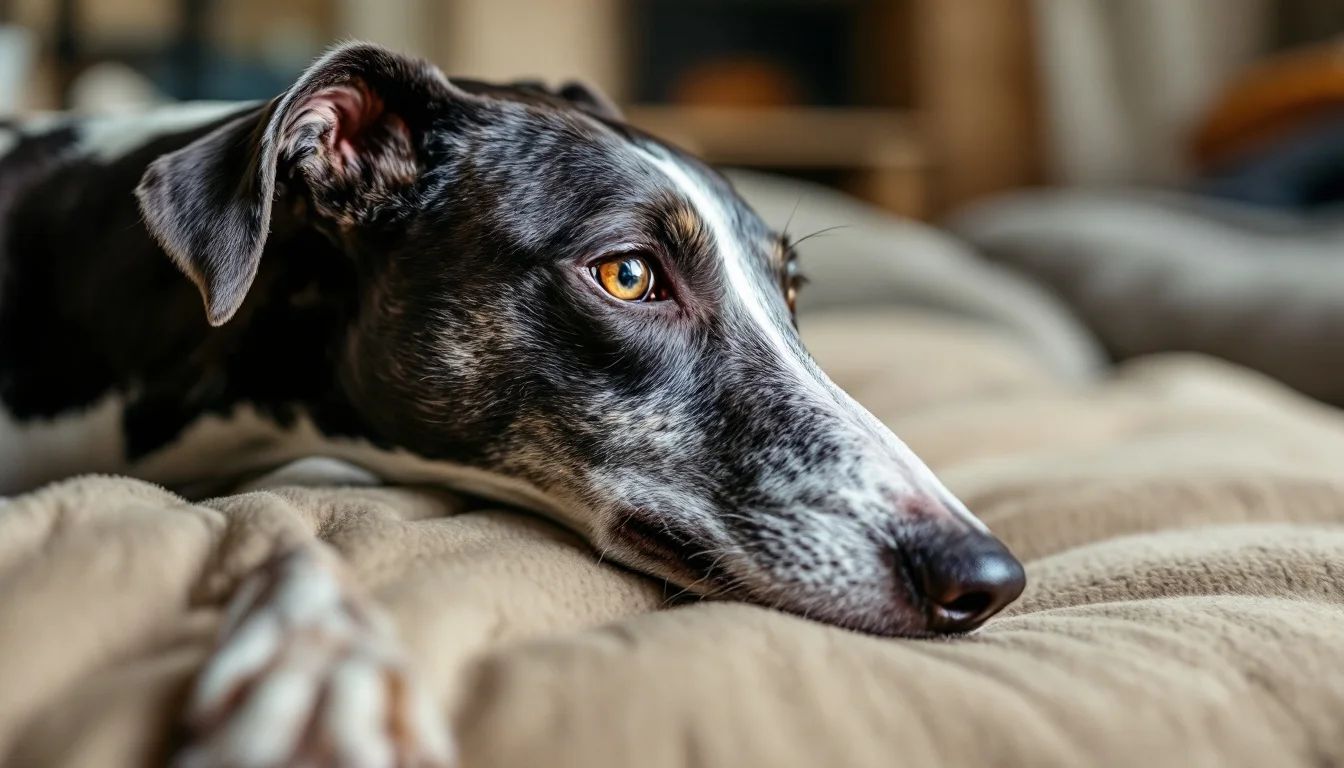
Adopting a retired racing greyhound requires a different approach than standard dog rescue. Instead of focusing on behavioral rehabilitation and burning off excess energy, you are re-acclimating a professional working athlete to civilian life.
These dogs enter the living room highly structured and deeply conditioned. They are usually unfamiliar with common household features like stairs, hardwood floors, and glass doors, which explains most early adjustment quirks. The transition involves navigating specific physiological requirements and understanding a canine worldview shaped entirely by kennels and racetracks. Adopting a greyhound is more about acting as an environmental guide, helping a specialized sprinter adapt to the unfamiliar textures, sights, and routines of a family residence.
Key Takeaways
- Temperament over energy: Greyhounds are sprinters, not endurance athletes, and act primarily as "couch potatoes" requiring minimal daily exercise.
- Environmental exposure: Most early adjustment quirks stem from a lack of exposure to common household features, such as glass doors and stairs.
- Financial predictability: First-year costs are front-loaded on the rescue side; adopter-side costs are recurring and vary by region.
Do Greyhounds Need a Lot of Exercise? The 'Couch Potato' Reality
A major barrier to greyhound adoption is a misunderstanding of the breed's daily energy levels. National greyhound rescues note that the most persistent myth about a retired racing greyhound is that a dog bred to run up to 45 miles per hour needs constant, rigorous exercise. This assumption leads many prospective adopters to mistakenly conclude they lack the space or athletic lifestyle required to keep the breed happy.
In practice, greyhounds are specialized sprinters, not endurance athletes. Their biology is built for explosive, short-duration bursts of speed rather than sustained distance running. Most adult greyhounds are entirely content with a couple of short walks per day, spending the long stretches in between napping heavily on a soft bed.
The Reality of Daily Activity
This extreme contrast between their track capabilities and their domestic lethargy has earned them the nickname of the "45-mph couch potato." Once their daily, brief exercise requirements are met, they enter a state of deep rest to conserve energy. For adopters, this means that matching the dog's physical needs requires far less cardiovascular commitment than keeping up with a working retriever or a herding breed. A predictable routine of leisurely leash walks is generally enough to maintain both their physical health and mental well-being.
How Should I Prepare My Home for a Greyhound? The 'Alien Environment' Protocol
Rather than treating early adoption challenges as behavioral or obedience issues, new owners must approach the home as an entirely alien landscape for the dog. According to established greyhound rescues, a greyhound coming off the track has usually never seen a staircase, walked on a hardwood floor, or encountered a glass door. That unfamiliarity explains most of the 'quirks' new adopters notice in the first few days.
The First 72 Hours: Acclimatization Checklist
To ensure a safe transition, specific physical modifications must be made to the home before the dog arrives:
- Visual markers for glass doors: Because they have never needed to identify transparent physical barriers, greyhounds can easily collide with sliding glass doors. Placing decals or painter's tape at the dog's eye level provides necessary visual cues.
- Traction for hard surfaces: Polished hardwood or tile floors lack the grip a track dog expects. Laying down non-slip rugs or runners along main walking paths prevents panic and potential injury while they learn to navigate slick surfaces.
- Stairway introductions: Navigating stairs requires different proprioception than running flat out. Adopters must physically guide the dog, placing one paw at a time, to teach the mechanics of ascending and descending until confidence is built.
- Mandatory padded rest areas: A greyhound's thin coat and low body fat mean the dog should sleep indoors on a padded bed rather than a bare floor. Without adequate cushioning, resting on hard surfaces can quickly cause joint discomfort and pressure sores.
What Gear Do I Need for a Retired Sprinter? Physiology and Safety
A greyhound's specialized anatomy dictates distinct safety gear that cannot be swapped for generic pet supplies. Their physical structure requires specialized equipment to prevent injury and escape.
Required Walking Equipment
Because of the breed's narrow skull shape, the circumference of the head is often smaller than or similar to that of the neck. Greyhound rescue groups advise adopters to use a collar that cannot slip over the head, alongside a standard ID tag. This is achieved using a "martingale" collar, which gently tightens when the dog pulls, preventing them from backing out of the loop during a sudden panic response.
Temperature Management
Their distinct lack of insulation also demands careful temperature management. Cold-weather care includes a properly fitted coat for outdoor walks when temperatures drop below 40 to 50°F, according to guidance from greyhound rescue organizations. Crucially, this cold tolerance stays low for the dog's entire life, not just the first winter; their physiology does not adapt to colder climates over time.
Yard and Boundary Requirements
When a greyhound is off-leash in a contained area, their explosive speed dictates strict boundary requirements. Most greyhound rescue groups strongly prefer a fence at least five to six feet tall. This height is necessary because some greyhounds can clear a shorter fence when startled. Their instinct when frightened is sudden, rapid flight, making secure, high boundaries non-negotiable for safe off-leash yard time.
How Does the Breed-Specific Rescue Process Work?
Rescue organizations dealing with former racing dogs operate differently from standard municipal shelters, primarily due to the breed's specialized working history and the necessity of evaluating prey drive. Most greyhound adoption groups can move a straightforward application from first inquiry to homecoming in two to four weeks; it can take longer when an adopter requests a specific temperament, such as being very social with cats, comfortable in an apartment, or good with young children.
Evaluating Small Animal Compatibility
Because of a strong prey drive left over from their working history, interactions with smaller animals must be managed carefully. National greyhound adoption organizations state that most rescue groups run a formal small-animal test before listing a greyhound as cat-friendly. Adopters with cats or small dogs should ask for that specific evaluation rather than assume a dog's general mild manners apply to smaller species.
The Role of Muzzles in Early Transitions
Even when a dog passes compatibility tests, rescues recommend a highly structured and supervised introduction period around cats and small dogs. During these early stages, safety equipment is utilized to eliminate risk while the dog learns to differentiate between household pets and track lures.
Many newly adopted greyhounds wear a muzzle on early walks purely as a precaution, not because the dog has shown aggression. In the racing environment, muzzles are standard, familiar gear worn during group runs. Transitioning this equipment to early neighborhood walks provides a safe buffer while the dog processes new stimuli—such as neighborhood squirrels or unleashed smaller dogs—allowing the adopter to manage the prey drive instinct responsibly.
The 3-3-3 Rule and Managing Separation Anxiety
Transitioning from a highly structured kennel environment surrounded by other dogs to a solitary family home is a profound psychological shift. Greyhound rescue volunteers often describe a '3-3-3' adjustment pattern for this process.
The Transition Timeline
- Three days of decompression: The initial period where the dog is frequently overwhelmed and exhausted by new stimuli.
- Three weeks of settling in: The dog begins to recognize the daily routine, anticipating meal times and walking schedules.
- Three months to full relaxation: The point at which the dog truly understands they are in a permanent environment and their full personality emerges.
Addressing Separation Anxiety
During this transition, separation anxiety is common early on, since most greyhounds have never spent meaningful time alone. They are accustomed to the constant presence of kennel mates and handlers. Greyhound rescue experts note that short absences that build up gradually tend to work better than leaving a newly adopted dog alone for a full workday right away. Establishing a departure routine without fanfare helps the dog understand that the owner's absence is temporary.
The Fostering Safety Net
For some households, directly adopting poses scheduling challenges. A foster placement with a greyhound rescue typically lasts anywhere from a couple of weeks to a couple of months. During this period, the group covers or reimburses veterinary costs and retains the flexibility to move the dog to a different home if the match isn't working, providing a critical safety net while the dog navigates the earliest stages of domestic separation anxiety.
How Much Does a Greyhound Cost in the First Year?
Beyond the behavioral and environmental adjustments, prospective owners must budget accurately for the specific needs of a large-breed athlete. First-year ownership requires a predictable set of initial investments, heavily offset by the comprehensive veterinary care typically provided by the rescue organization before placement.
The First-Year Cost Breakdown
The following ranges are drawn from national greyhound rescue guidance; figures vary by region and rescue group and should be verified against current local listings before budgeting.
| Cost Category | Minimum Estimate | Maximum Estimate | What is Included |
|---|---|---|---|
| Adoption Fee | $200 | $450 | Spay or neuter surgery, a full round of core vaccinations, a dental cleaning, and a microchip. |
| Food and Treats | $400 | $600 | Estimated first-year nutritional expenses depending on the chosen diet. |
| Routine Veterinary Care | $150 | $300 | Annual physical exam and standard preventives. |
| Gear | $100 | $200 | Bedding, a properly fitted coat, and a martingale collar. |
| Training | $50 | $200 | Optional training classes or a private trainer session. |
This front-loaded medical bundle means the adopter's first 90 days are financially predictable. Because the rescue handles major initial procedures before placement, owners are responsible primarily for daily maintenance, specialized gear, and setting up routine annual preventives.
Frequently Asked Questions (FAQ)
Are retired greyhounds too old to bond with a new family?
No. Most racing greyhounds retire between 18 months and five years of age. Adopters are typically bringing home a young adult dog with a decade or more of healthy life still ahead, leaving ample time to build a deep, lasting bond.What should I ask the rescue before adopting into an upper-floor apartment?
Prospective apartment adopters should discuss their building's layout with the rescue. Since former track dogs lack exposure to stairs and hard surfaces, you will need a plan to physically guide the dog up and down shared stairwells, and establish a strict leash-only potty routine in the absence of a private, fenced yard.Conclusion: The Long-Term Reward
Transitioning a former track dog into a domestic companion asks owners to provide structure and patience during a unique acclimatization phase. Long-term, this environmental guidance results in a deeply rewarding bond. Over time, the greyhound learns to trust their new family, trading the strict demands of the kennel for the quiet luxuries of civilian life. The ultimate reward is not just successfully managing a working athlete's retirement, but sharing your home with a relaxed, affectionate companion for years to come.