The Truth About Raw Feeding for Pets: International Veterinary Consensus and Risks
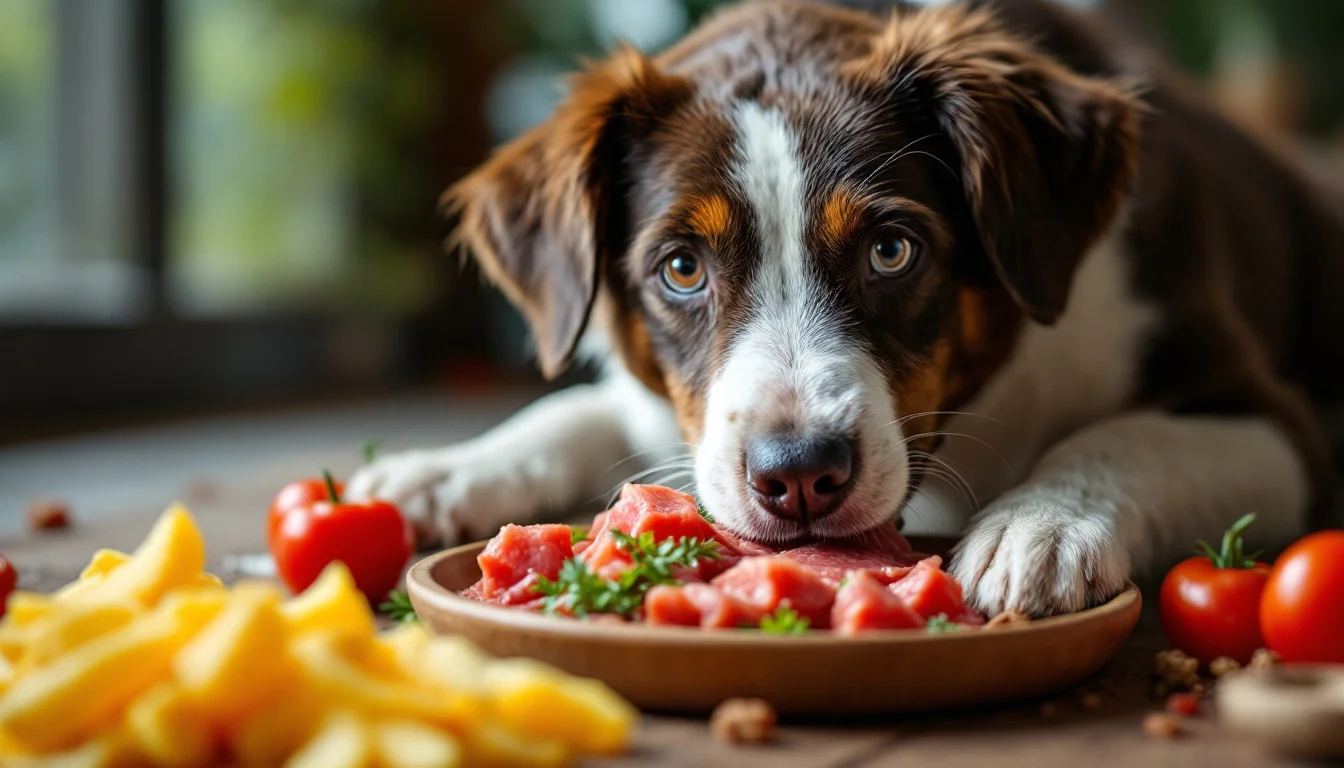
The landscape of companion animal nutrition has undergone a radical transformation in recent years, heavily influenced by the digital age. Across social media platforms, aesthetically pleasing videos of elaborately prepared raw meat pet bowls frame uncooked diets as the ultimate return to a pet's ancestral roots. However, this viral trend stands in stark contrast to the realities observed within modern clinical practice.
Veterinary professionals are increasingly confronting the fallout of this digital movement. The British Veterinary Association (BVA) launched a Position on diet choices for cats and dogs, which included a detailed discussion of the health risks surrounding the feeding of raw meat, explicitly noting that the practice has gained in popularity over the last few years. Despite these organized efforts by medical bodies to communicate safety guidelines, a behavioral divide persists between pet owners and practitioners.
According to the Canadian Veterinary Medical Association (CVMA), there is evidence that owners feeding raw meat-based diets are more likely to rely on informal advice—such as that gleaned from social media and other unverified sources—and less on that obtained from a veterinarian. This reliance on informal advice is associated with feeding practices that veterinary bodies flag as a public-health concern, prompting global veterinary organizations to mobilize and clarify the severe, inherent risks associated with raw feeding protocols.
Key Takeaways
- A unified coalition of global veterinary and animal health bodies explicitly cautions against feeding raw meat-based diets.
- Raw pet food may harbor biological threats across three primary categories: bacteria, parasites, and antimicrobial-resistant organisms.
- Methods like freezing, dehydrating, and freeze-drying reduce but do not eliminate dangerous pathogens like Salmonella and Listeria.
- Safe pet diets rely on rigorous testing to meet the "complete and balanced" standard for long-term physiological health.
- For owners who choose to continue raw feeding, stringent hygiene protocols are essential to minimize the risk of household outbreaks.
The Global Veterinary Consensus Against RMBDs
The pushback against raw meat-based diets (RMBDs) is not an isolated or regional opinion. It represents a unified, globally recognized standard of care across the veterinary profession. While proponents of raw feeding often argue that conventional clinical advice is outdated, the reality is that the world's leading animal health authorities continuously review the evidence and consistently arrive at the same conclusion: the biological hazards are too severe to ignore.
A Unified Global Front
The rejection of RMBDs spans multiple continents and medical disciplines. National and international veterinary associations have explicitly cautioned against feeding raw meat-based diets. This coalition includes:
- The World Small Animal Veterinary Association (WSAVA)
- The British Small Animal Veterinary Association (BSAVA)
- The American Veterinary Medical Association (AVMA)
- The American Animal Hospital Association (AAHA)
The Cost-Benefit Reality
When these organizations evaluate dietary trends, they operate strictly on evidence-based medicine, weighing measurable clinical outcomes against biological risks. The Canadian Veterinary Medical Association (CVMA) has taken a particularly definitive stance on this calculus.
The CVMA expresses concerns based on the available evidence regarding health risks to pets fed raw meat-based pet food products. More importantly, the organization formally holds that the evidence of animal and human health risks outweighs any purported benefits. This authoritative position clarifies that the debate is no longer about whether raw diets can theoretically support a pet; it is about whether the documented risks to the entire household can ever be justified by anecdotal claims of shinier coats or increased energy. Furthermore, the CVMA notes that there are limited data supporting clinically relevant beneficial impacts in dogs fed raw meat-based diets over appropriate conventional cooked diets. With a scarcity of long-term controlled feeding trials demonstrating the clinical superiority of raw foods, authorities must base their recommendations on these known, measured hazards.
Zoonotic Risks: What Pathogens Are Hiding in the Bowl?
The primary concern uniting international veterinary bodies is not merely the health of the pet, but the concept of zoonosis—the transmission of infectious diseases from animals to humans. A synthesized review of data from the CVMA and the Centers for Disease Control and Prevention (CDC) reveals a complex framework regarding exactly what enters a household via raw pet food.
Raw meat-based pet food products, including raw meat-based diets, may contain pathogens harmful to animals and people. The CVMA categorizes these biological threats into three primary areas:
- Bacteria: Microorganisms capable of causing severe gastrointestinal and systemic illness.
- Parasites: Organisms that survive in uncooked tissue and can colonize the host.
- Antimicrobial-resistant organisms: A highly concerning category where infections fail to respond to standard antibiotic treatments, complicating medical care.
Protecting Vulnerable Household Members
The danger of these pathogens extends far beyond the pet's feeding bowl. Cross-contamination occurs when a pet eats a raw meal and subsequently licks a human, or when owners wash contaminated bowls in the same sink used for human food preparation.
Because of these pervasive environmental risks, the CVMA highly recommends that veterinarians actively counsel owners wishing to feed raw meat-based pet food products on the specific risks to themselves and to their pets. Crucially, this counseling must highlight the danger posed to vulnerable members of the household, such as immunocompromised individuals or pregnant individuals. While documented cases of human transmission specifically from raw pet food are rare, the theoretical risk of exposure to Listeria through environmental contamination carries severe potential consequences for pregnant individuals, underscoring why veterinary professionals view raw feeding as a holistic public health issue.
Why Freezing and Dehydrating Don't Eliminate the Danger
A pervasive misconception within the raw feeding community is that specific at-home preparation methods can neutralize the biological hazards present in raw muscle meat and organs. Many owners rely heavily on deep freezers, believing that subjecting the meat to sub-zero temperatures effectively sterilizes the product before it reaches the pet's bowl.
This belief, while popular on social media, fundamentally misunderstands the microbiology of foodborne pathogens. The CDC notes that freezing, dehydrating, or freeze-drying raw ingredients may reduce but does not eliminate pathogens.
The Mechanics of Pathogen Survival
Unlike high-heat cooking—which effectively kills bacteria and parasites—freezing merely reduces the bacterial population or halts the growth of bacteria like Salmonella and Listeria, leaving hardy survivors behind. While the bacterial load might be reduced or prevented from multiplying during storage, surviving microorganisms can become active threats again as the meat thaws or enters the warm environment of a pet's digestive tract.
Similarly, dehydrating and freeze-drying remove moisture, but many harmful bacteria have evolved mechanisms to survive severe desiccation. Once these dried products are rehydrated—either by the owner adding water or by the pet's saliva—the pathogens can become active threats once again. This biological resilience is precisely why health agencies caution that alternative processing methods cannot replace the safety guarantees of thorough cooking.
The Challenge of Nutritional Balance
Beyond the immediate, acute threat of bacterial contamination, raw feeding introduces a chronic, insidious risk: severe malnutrition. Crafting a diet that provides every necessary vitamin, mineral, and amino acid in the correct proportions is a highly complex scientific endeavor that is exceedingly difficult to replicate safely in a home kitchen.
The gold standard in pet food is "complete and balanced" nutrition, a crucial regulatory and scientific term defined by the Association of American Feed Control Officials (AAFCO). Formulations that meet this benchmark have been rigorously tested to ensure they support long-term physiological health.
The Clinical Reality of DIY Diets
Despite the aesthetic appeal of assembling raw muscle, bone, and organ meat, raw meat-based diets may or may not be balanced with all essential nutrients. The CVMA warns that unbalanced diets can severely impact the well-being, growth, and development of dogs.
This nutritional imbalance can be particularly critical for puppies and growing animals, where even minor miscalculations in essential nutrient ratios may contribute to developmental problems. Furthermore, the supposed advantages of raw feeding often fail to materialize under scientific scrutiny. Ultimately, owners are taking on significant nutritional risks without the backing of measured, clinical superiority.
Harm Reduction: BVA Hygiene Protocols for Raw Feeders
Despite the overwhelming consensus from global veterinary and public health bodies, a segment of the pet-owning population will continue to choose raw diets. Recognizing this reality, veterinary professionals have pivoted toward harm reduction. For those who refuse to transition to cooked or conventional diets, the British Veterinary Association (BVA) provides a stringent framework of hygiene protocols designed to minimize—though not eliminate—the risk of household outbreaks.
- Verify Source and Provenance: The BVA advises owners to give careful consideration to the source and provenance of raw pet food products. Utilizing traceable, commercially regulated suppliers is safer than sourcing unverified meat scraps.
- Maintain a Dedicated Fridge: To prevent contaminated meat juices from reaching human meals, owners must store raw pet food products in a dedicated fridge well away from any food intended for human consumption.
- Isolate Preparation Surfaces: Cross-contamination in the kitchen is a primary vector for human infection. Owners must take strict precautions to prevent cross-contamination on kitchen worktops used for human food.
- Conduct Pre-Feeding Quality Checks: Owners are generally advised to check the overall quality of the food before feeding to avoid products that show obvious signs of spoilage.
- Maintain Veterinary Transparency: If the pet becomes ill, owners must tell their vet that their pet is on a raw food diet. This crucial communication ensures the vet can immediately check for illnesses caused by bacteria, expediting life-saving treatments.
Conclusion: The Next Horizon in Pet Nutrition
The conversation surrounding pet nutrition continues to evolve rapidly. As the international veterinary community stands firm on the documented risks that hygiene protocols can reduce but not eliminate, the pet food industry is actively seeking safer innovations. The future of companion animal feeding lies in bridging the gap between an owner's desire for whole, recognizable ingredients and the non-negotiable need for biological safety. Lightly cooked fresh foods and advanced, minimally processed sterile diets are emerging as areas of interest, offering a potential way to honor the desire for dietary transparency without introducing dangerous pathogens into the family home.