The Biological Cost of Skipping Dog Dental Care
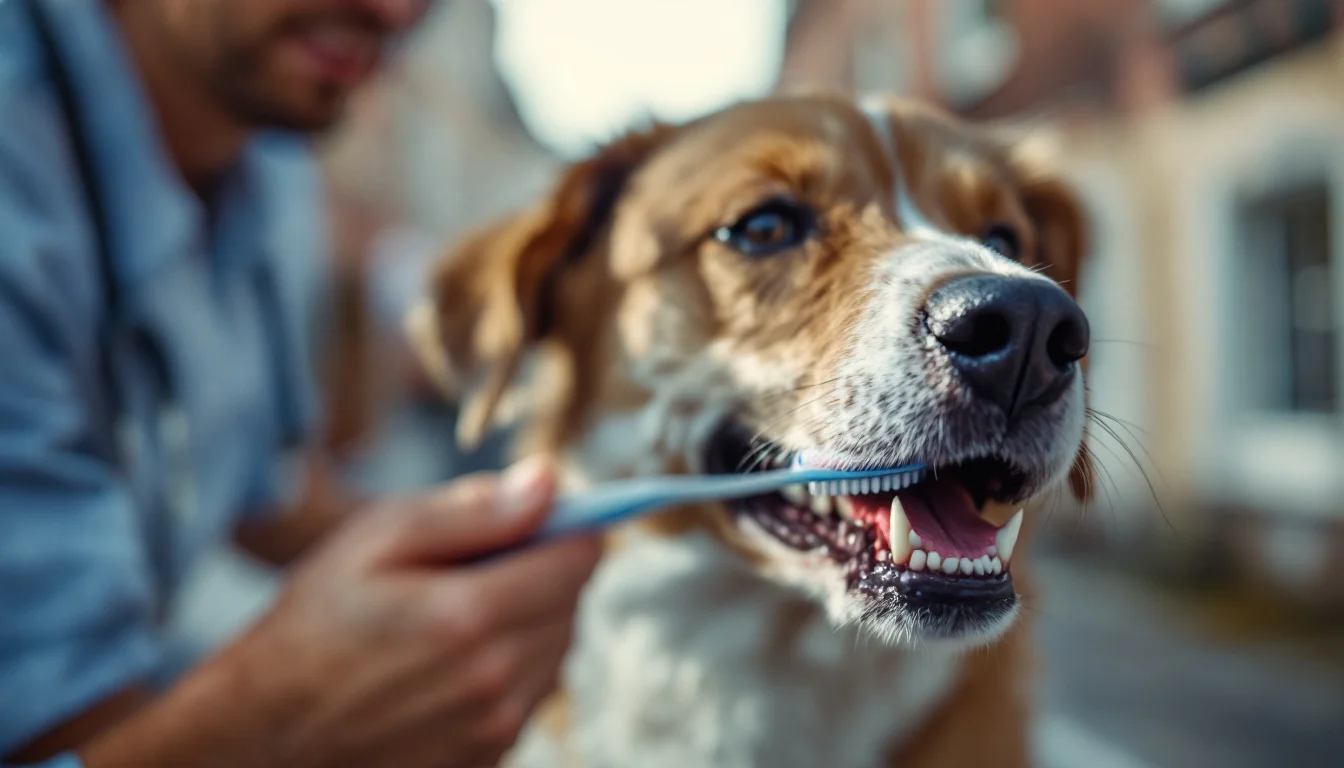
Every evening, a familiar standoff occurs in homes worldwide: the dog owner holds a tiny toothbrush, the dog turns its head away, and the routine is abandoned out of sheer fatigue. For years, skipping this grooming chore was accompanied by a mild sense of guilt, usually brushed off as long as the dog's breath was tolerable. However, veterinary science views this dynamic through a strictly biological lens, shifting the focus far beyond cosmetic concerns or localized odors.
Untreated plaque that hardens into tartar initiates a predictable cascade. It eventually causes gum inflammation, known as gingivitis, before progressing into severe infection beneath the gumline. This periodontal disease triggers chronic oral pain and bad breath. Understanding this hidden biological cost changes canine dental care from an optional grooming habit into a mandatory protocol for a dog's longevity.
Key Takeaways
- Systemic health risks: Neglected oral hygiene allows bacteria to reach vital organs like the heart and kidneys.
- Diet does not equal dental care: The persistent idea that standard dry kibble cleans teeth is a biological falsehood.
- Harm reduction works: A pragmatic approach combining partial brushing schedules with passive oral interventions offers a realistic, effective alternative for resistant pets.
- Anesthesia is functionally required: Comprehensive cleanings and disease detection must occur below the gumline, necessitating safe sedation and targeted imaging.
Beyond the Gums: How Oral Bacteria Attack the Heart and Kidneys
The prevailing misconception about canine dental health is that the damage remains confined to the mouth. In reality, the gums act as a highly vascularized gateway to the rest of the body. Once periodontal disease takes hold, it transforms a localized issue into a widespread systemic concern.
The Bloodstream Pipeline
When bacteria in the mouth are not removed through mechanical action or professional intervention, they do not simply multiply on the tooth surface. These pathogens breach the compromised, bleeding tissues of the gums and travel directly through the bloodstream. From there, they reach vital organs like the heart, liver, and kidneys.Systemic Organ Damage
This bacterial migration is associated with broader health concerns. In the heart, this bacterial presence is epidemiologically associated with endocarditis, an infection of the inner lining and valves. In the kidneys, studies have observed a correlation between severe dental disease and chronic kidney disease, though direct causation remains debated. Furthermore, the persistent presence of localized infection forces the animal's body into a state of continuous defense. This constant oral inflammation places an ongoing burden on the immune system as it attempts to manage the localized infection.The Timeline of Neglect: The 4 Stages of Periodontal Disease
To understand how quickly a minor hygiene issue becomes a critical medical crisis, veterinary science utilizes a specific diagnostic framework. The biological cascade follows a predictable four-stage model of pet dental disease progression. This matrix maps the microscopic bacterial action to the physical symptoms an owner might observe at home.
| Disease Stage | Biological Action | Visible Signs for the Owner | Reversibility |
|---|---|---|---|
| Stage 1 | Bacteria form a soft, sticky biofilm on the tooth enamel. | Plaque accumulation and noticeable bad breath. | Fully reversible with routine cleaning. |
| Stage 2 | Minerals calcify the plaque; the immune response triggers swelling. | Tartar buildup and gum inflammation (early gingivitis). | Reversible with professional scaling. |
| Stage 3 | Deep infection destroys bone and supportive tissues beneath the gumline. | Serious periodontal disease and observable tooth pain. | Irreversible damage; requires advanced intervention. |
| Stage 4 | Severe structural damage; pathogens enter the circulatory system. | Tooth loss and subsequent internal organ damage. | Permanent structural and systemic loss. |
The Point of No Return
The critical threshold in this timeline lies between the second and third phases. During the initial stages, the physical manifestations—plaque and bad breath—are entirely superficial. Early gingivitis represents the body's initial warning siren, signaling that tartar buildup is actively irritating the tissues.However, once the pathology advances to serious periodontal disease, the destruction of bone and supporting ligament tissue cannot be undone. By the time severe tooth loss occurs, internal organ damage may be actively degrading the dog's systemic health. Recognizing this strict biological timeline allows owners to intervene before the deterioration becomes permanent.
Decoding the Silent Signs of Dental Pain
Dogs possess a strong evolutionary drive to mask physical vulnerability, meaning they will rarely vocalize chronic discomfort. Because of this stoicism, waiting for a dog to stop eating entirely is a deeply flawed strategy for assessing oral health. Instead, owners must look for subtle behavioral shifts.
Signs a pet may be in pain from dental problems often manifest in their daily routines. A sudden or gradual decreased interest in hard kibble or favorite chew toys is a primary red flag, as the mechanical pressure of biting down exacerbates inflamed roots.
Behavioral Shifts
Beyond eating habits, chronic pain alters the dog's baseline personality. Affected animals frequently become more withdrawn or noticeably less playful than usual. Owners might also notice the dog actively flinching or pulling away when touched near the mouth or muzzle. Uncharacteristic irritability or sudden, unexplained behavior changes are often direct responses to the chronic discomfort of advanced periodontal disease.High-Risk Profiles: Why Size and Snout Shape Matter
While all dogs are susceptible to tartar buildup, anatomical genetics drastically skew the risk factors for certain populations. The shape of the skull and the size of the jaw dictate how efficiently teeth can naturally clear debris.
Anatomical Vulnerabilities
Pets most at risk of dental issues include small breeds and flat-faced pets, such as French Bulldogs and Pugs. These brachycephalic dogs naturally suffer from crowded or misaligned teeth, creating microscopic traps where plaque rapidly accumulates and evades passive cleaning. Furthermore, pets with jaw abnormalities or malocclusion experience uneven wear and increased friction, accelerating tissue damage.Compounding Hazards
The danger is heavily compounded for pets with retained baby teeth, a condition especially prevalent in small or toy breeds. When a deciduous tooth fails to fall out, it creates a severe bottleneck for bacteria against the adult tooth. Finally, the risk extends beyond genetics to behavior: pets that obsessively chew overly hard toys or objects frequently suffer from trauma that opens the enamel to deep infection.Debunking the 'Kibble Cleans Teeth' Myth
A pervasive justification for skipping active dental care is the belief that a dog's diet acts as a natural toothbrush. For decades, owners have relied on standard dry food to scrape away buildup, assuming that crunchy textures mitigate the need for intervention.
This assumption is fundamentally incorrect. The claim that eating standard dry food is better for a pet's teeth is widely recognized as fiction by veterinary experts. In reality, both standard kibble and wet food leave residue in the mouth and equally contribute to the development of plaque. Standard kibble does not provide effective abrasive cleaning along the gumline where periodontal disease originates.
There is, however, a scientifically validated exception. Specialized dental diets approved by the Veterinary Oral Health Council (VOHC) are specifically designed to remove plaque mechanically as the tooth penetrates the kibble.
A Harm Reduction Approach When Brushing Isn't Possible
The traditional veterinary demand for flawless daily toothbrushing often backfires, leaving overwhelmed owners to abandon the practice entirely. Recognizing this behavioral reality, veterinary recommendations shift toward a pragmatic harm reduction strategy.
The Minimum Effective Dose
While home dental care recommendations confirm that owners should brush the pet's teeth daily with pet-safe toothpaste for optimal results, demanding perfection sets most up for failure. If daily brushing isn't possible, brushing a pet's teeth 3–4 times per week with pet-safe toothpaste is cited by some veterinary sources as an effective way to prevent plaque buildup, disrupting the biofilm before it can calcify into tartar. Recommended frequencies vary across sources, so consulting your own veterinarian is the best way to establish a realistic routine.Passive Biological Management
For the remaining days of the week, or as reliable alternatives for pets that aggressively resist brushing, owners must deploy passive interventions. These include:- Incorporating water additives or VOHC-approved rinses into the daily bowl to chemically maintain oral hygiene.
- Supplying specific VOHC-approved dental chews and chew toys to reliably manage plaque through mechanical friction.
Clinical Oversight
No home protocol is entirely foolproof. This at-home management must be paired with consistent clinical oversight. Owners are advised to schedule annual dental exams and professional cleanings to catch and treat the sub-gingival disease that even the best home care inevitably misses.Why 'Anesthesia-Free' Cleanings Miss the Danger Zone
As owners seek alternatives to traditional veterinary care, "anesthesia-free" dental cleanings have gained popularity, marketed as a gentler option. However, this cosmetic approach is fundamentally flawed and leaves the most dangerous biological threats entirely unaddressed.
The Safety Profile of Modern Sedation
The primary reason owners avoid professional cleanings is fear. Yet, the claim that putting a pet under anesthesia for dental care is 'too risky' is widely recognized as a misconception by veterinary experts. Modern veterinary anesthesia is described as very safe. Clinics mitigate risks through pre-anesthetic testing (such as comprehensive bloodwork and imaging) to create the safest, highly customized anesthetic plan for each individual patient.The Necessity of Sub-Gingival Imaging
Performing a cleaning on a conscious dog means the practitioner can only scrape the visible crown of the tooth. The actual pathology of periodontal disease occurs beneath the tissues. Dental X-rays taken under anesthesia are essential for spotting disease below the gumline that cannot be seen with the naked eye. Without adequate sedation, it is impossible to secure the precise radiographic angles required to evaluate bone loss, nor is it possible to safely scale bacteria out of deep periodontal pockets without traumatizing the animal.FAQ: Veterinary Dental Care
What should I bring to my dog's dental appointment?
Prepare to provide a comprehensive view of your dog's systemic health and baseline behavior. Bring up-to-date medical records, a complete medication list, and specific behavior notes regarding any subtle changes in your pet's routine, as these details help the veterinary team tailor the pre-anesthetic testing and overall treatment plan.Are nylon bones or antlers safe for my dog's teeth?
No. Home dental care protocols generally advise owners to avoid hard bones, antlers, and overly rigid synthetic chews. Because a dog's jaw exerts immense pressure, biting down on extremely unyielding materials carries a risk of causing severe enamel fractures. These fractures create immediate, intense pain and open direct pathways for bacteria to infect the deep root of the tooth.How often should I brush my dog's teeth?
Home dental care recommendations from multiple veterinary sources advise brushing a pet's teeth daily with pet-safe toothpaste for optimal results. If daily brushing isn't possible, at least 3–4 times per week is cited by some sources as effective at preventing plaque buildup. Recommended frequencies vary, so ask your veterinarian what is realistic for your pet.Does bad breath always mean dental disease?
Noticeable bad breath, alongside plaque accumulation, is a primary visible sign of Stage 1 periodontal disease. While it is the first warning sign, at this early stage the condition is fully reversible with routine cleaning. However, bad breath can also signal more serious conditions, ranging from tooth abscesses and oral tumors to systemic issues like kidney disease or diabetes, so veterinary evaluation is always warranted.Conclusion: A Systemic Approach to Your Dog's Longevity
Accepting oral hygiene as a foundational pillar of a dog's longevity framework fundamentally alters the human-animal bond. It moves the conversation away from the temporary aesthetics of a dog's breath and anchors it firmly in the realm of vital healthcare, on par with core vaccinations or nutritional planning. By adopting pragmatic harm reduction strategies and prioritizing comprehensive veterinary interventions, owners can proactively defend their pets' systemic health, ensuring a longer life free from chronic discomfort.