Indoor vs. Outdoor Cat: Why Safety in 2026 Requires Environmental Engineering
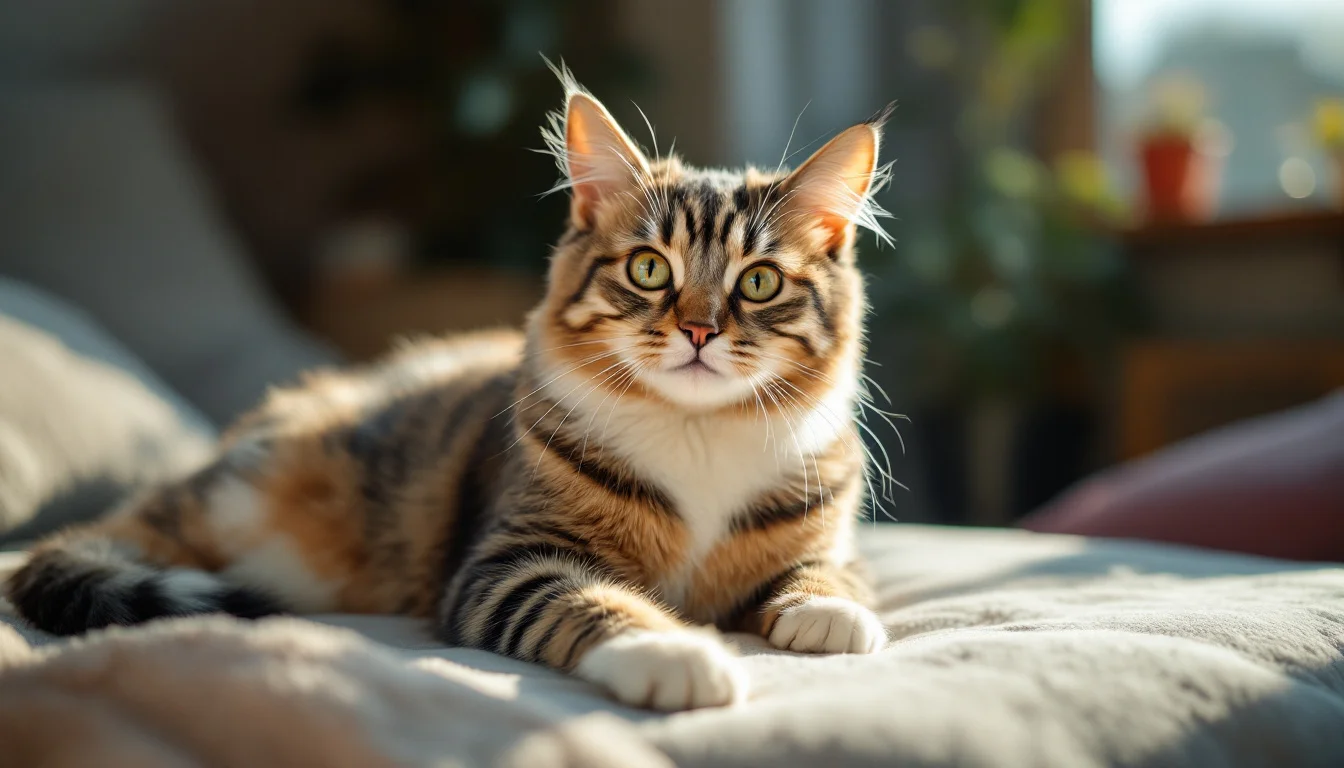
The debate over feline living environments is undergoing a fundamental shift, moving away from subjective lifestyle preferences toward evidence-based outcomes. A 2022 UC Davis study published in PLOS One explored the longevity dynamics at stake, and the sources reviewed here consistently favor indoor living.
However, closing the front door does not entirely solve the biological equation for a predatory species. The transition from free-roaming to confined living removes immediate, life-threatening dangers, but it simultaneously introduces a new set of physiological and cognitive challenges. Choosing an indoor lifestyle requires an active, ongoing commitment to environmental engineering (enrichment). Owners must reconstruct the physical and mental stimuli of the natural world to prevent behavioral problems in under-stimulated indoor environments.
Key Takeaways
- Lifespan Expectations: Many indoor cats reach their mid- to late teens, though ultimate longevity varies significantly based on genetics, health history, preventive care, and daily lifestyle.
- The Enrichment Requirement: Keeping cats indoors safely requires committed enrichment to stay mentally and physically healthy.
- Environmental Solutions: Safe alternatives to free roaming include catios, enclosed outdoor spaces, leash-and-harness exploration, supervised outdoor time, and targeted indoor enrichment like vertical climbing spaces and puzzle feeders.
How Do Outdoor Risks Affect Feline Lifespans?
To understand the consensus favoring indoor living, one must examine the specific mechanisms that truncate outdoor lifespans. Outdoor cats generally live fewer years than indoor cats, who often reach their mid- to late teens. This discrepancy is largely driven by acute environmental trauma.
The Mechanics of Urban Trauma
Car accidents remain a leading cause of death and injury in outdoor cats. The intersection of feline biology and human infrastructure creates a specific hazard window: the dusk or dawn hours. These specific times align with when cats are naturally most active. Unfortunately, these periods correspond with times of significantly reduced visibility for drivers.
The Evolution of Suburban Predation
Beyond vehicular trauma, the geographical landscape of predation has shifted. Suburbs are no longer assumed to be predator-free zones. For example, in Sonoma County (California), coyotes are now common in suburban areas and pose real risks to cats. Adaptable predators have integrated into human-dense environments, turning free-roaming domestic cats into accessible prey.
The Baseline of Proactive Health Monitoring
Conversely, the indoor environment offers a distinct clinical advantage: the ability to establish and monitor a consistent health baseline. Indoor cats' health is much easier to track because owners can spot subtle changes in eating, drinking, litter box habits, and daily behavior much more quickly.
Managing a feline's health requires tracking their daily habits. When a cat remains indoors, a decrease in water intake or a change in elimination habits is immediately apparent, allowing for significantly earlier veterinary intervention. Furthermore, their medical history remains simpler and more predictable, less complicated by unknown outdoor exposures. In contrast, outdoor cats face the constant threat of getting lost, becoming accidentally trapped in neighbors' sheds or garages, or being removed by well-meaning people who assume they are strays. Because outdoor-access cats navigate these unpredictable territories and hazards, microchipping is a critical necessity to increase the chances of a safe return.
What Are the Hidden Hazards of the Outdoors?
While blunt force trauma and predation are the most visible threats, the outdoor environment is saturated with microscopic and biochemical hazards that systematically compromise feline health.
Infectious Viral Pathogens
Free-roaming cats exist in a high-contact network with feral populations, drastically increasing their exposure to severe infectious diseases. Feline leukemia virus (FeLV) and feline immunodeficiency virus (FIV) are incurable and can significantly shorten a cat's life. These viruses spread through various forms of physical contact, including deep bite wounds during cat fights, mutual grooming, and shared resources. An outdoor cat defending territory or competing for resources is routinely subjected to these infectious pathways, whereas an indoor lifestyle greatly reduces transmission risk. Furthermore, while rabies is relatively rare in domestic animals due to vaccination programs, it remains a risk for free-roaming cats that may encounter infected wildlife such as bats, raccoons, or skunks. Because of these overlapping biological threats, outdoor cats typically require significantly more infectious disease screening and professional wound care than indoor cats.
Chemical Toxins in Human Environments
The chemical footprint of a standard neighborhood presents numerous traps for a wandering cat. Several severe toxins frequently affect outdoor cats:
- Automotive Fluids: Antifreeze is particularly dangerous due to its sweet-tasting profile, which encourages ingestion. It is highly toxic, rapidly causing acute kidney failure and death. Motor oil and gasoline also present severe exposure risks.
- Pest Control Chemicals: Rodent poisons cause severe bleeding or other fatal toxic effects when ingested directly or through poisoned prey.
- Landscaping Hazards: Lawn and garden pesticides, herbicides, fertilizers, and toxic outdoor plants (such as lilies) create an environment where a cat's natural grooming behavior can quickly lead to fatal chemical ingestion.
Why Does an Indoor Lifestyle Require Environmental Enrichment?
Transitioning a cat indoors solves the acute mortality problem, but it creates a distinct behavioral challenge. Keeping cats indoors is not enough on its own; indoor cats require committed enrichment to stay mentally and physically healthy. When an animal with high predatory drive is placed in a static environment, indoor life can cause behavioral problems if enrichment needs are not met.
To understand this dynamic, consider the Risk Substitution Matrix, a framework that illustrates how physical safety necessitates cognitive programming.
| Hazard Category | Acute Outdoor Risks | Chronic Indoor Deficit Risks |
|---|---|---|
| Biological/Trauma | Car accidents (dusk/dawn); Coyote predation | Reduced physical activity; Obesity from low physical output |
| Infectious/Toxic | FeLV/FIV transmission; Antifreeze ingestion | Chronic stress from under-stimulation; Behavioral problems |
| Environmental | Unpredictable weather; Uncontrolled territory disputes | Lack of problem-solving stimuli; Lethargy |
Substituting Risk with Enrichment
This matrix highlights that the 'indoor vs. outdoor' decision is a risk-substitution problem. Owners eliminating the acute biological and trauma risks of the outdoors introduce the chronic environmental deficit risks of an un-enriched indoor space.
Locking the door removes the cat's primary source of daily stimulation (daily physical and mental exertion). If that missing stimulation is not replaced through deliberate environmental engineering, the cat may suffer behavioral problems. If you remove the outdoor stimulation, you must architect an indoor equivalent.
What Are Safe Alternatives to Free-Roaming?
Engineering an environment that bridges the gap between safety and necessary stimulation requires specific, actionable infrastructure. According to Banfield, there are numerous safe alternatives to free roaming that provide necessary physical and cognitive stimulation.
Controlled Outdoor Access
For owners who want to offer outdoor stimulus safely, several structural and supervised options exist:
- Architectural Enclosures: Catios and other fully enclosed outdoor spaces allow cats to experience weather, scents, and sights without risk of predation, vehicular trauma, or viral exposure. Crucially, enclosures also prevent domestic cats from hunting local wildlife, thereby protecting birds, small mammals, reptiles, and amphibians in ecologically sensitive areas.
- Supervised Mobility: Leash-and-harness exploration provides controlled sensory input for cats. Owners can also allow supervised outdoor time in a deeply secured yard or patio, provided the perimeter is genuinely impassable.
Indoor Physical and Cognitive Engineering
When external access is impossible, Banfield recommends several methods of indoor enrichment to encourage exertion and mental engagement:
- Vertical Scaling: Vertical climbing spaces provide exercise and help mimic natural climbing.
- Visual Stimulation: Window perches combined with bird feeders placed outside windows provide passive cognitive engagement and visual tracking.
- Foraging Simulation: Puzzle feeders replace the passive food bowl, requiring the cat to solve mechanical problems to access calories, which closely mimics the mental effort of a hunt.
- Interactive Exertion: Daily interactive play helps indoor cats stay physically and mentally stimulated.
Frequently Asked Questions (FAQ)
Do indoor-only cats really still need flea and tick medication?
Yes. While their exposure risk is drastically reduced compared to free-roaming animals, the indoor environment is not a sterile, hermetically sealed unit. According to Banfield, year-round parasite prevention is recommended even for indoor-only cats, because fleas can easily be brought inside on people, other pets, or household items.
If my cat never leaves the apartment, why are heartworm preventatives necessary?
Because the vectors that carry these parasites do not respect property lines. While heartworm is more commonly found in dogs, it can also infect cats. Mosquitoes, which transmit heartworm, easily enter homes through open doors or torn window screens. The Calistoga Pet Clinic emphasizes that monthly preventive medications remain a core consideration even when the statistical risk appears low — your veterinarian can advise whether they are appropriate for your cat's specific situation.
Conclusion: The Era of Feline Environmental Design
The modern approach to feline care demands a fundamental shift in perspective. Recognizing the severe trauma, viral, and toxic risks of the outdoor world is only the first step. The true responsibility lies in the aftermath of bringing a pet indoors. Responsible ownership is defined by the rigorous application of environmental design. By architecting spaces that demand climbing, problem-solving, and active engagement, owners can provide an environment where physical safety and psychological fulfillment coexist.